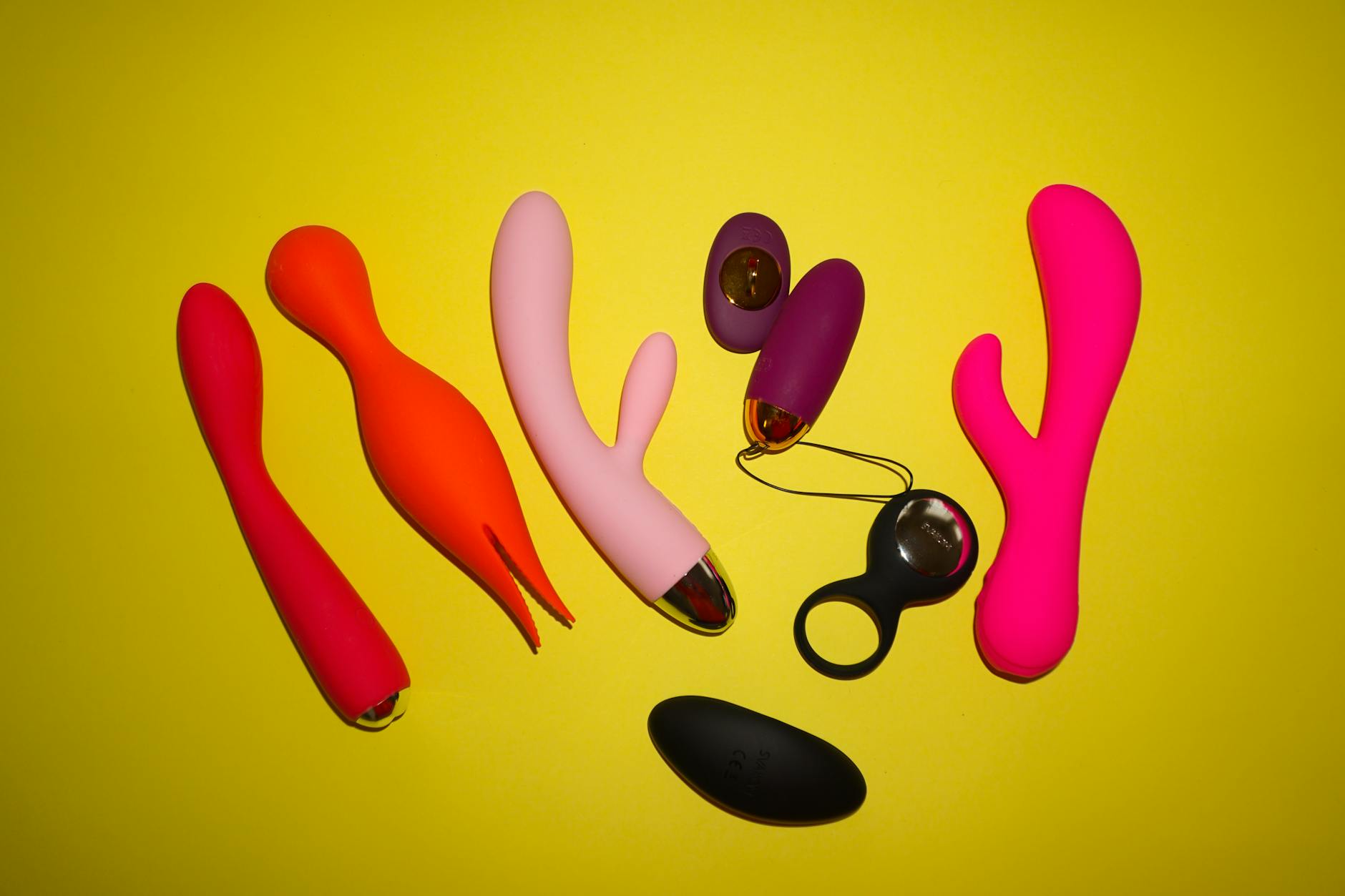
Here's the thing about pleasure and words
You can want something desperately and still be unable to say it out loud. That's not weakness. It's not even unusual. For many of us, talking about sexual pleasure triggers shame, fear of rejection, or the paralyzing sense that we're being selfish. So we stay quiet. We wait. We hope our partner reads our mind.
They don't. And nothing changes.
Lemon vibrators, especially the clitoral kind, can serve a purpose that has nothing to do with the vibration itself. They can be a physical stand-in for the conversation you're terrified to have. They're permission you give yourself, made tangible.
Why communication about pleasure gets stuck
There's a cascade of reasons why this happens, and they're rarely about being "bad at talking." Often it's deeper.
You might have grown up in a household where sexuality wasn't discussed at all, so you have no language for it. You might worry that asking for what you want makes you seem needy or high-maintenance. You might be afraid that your desires are "too much" or "weird," that naming them will trigger rejection. If you've been in relationships where you were shamed for having needs, that fear gets baked in.
For people in long-term partnerships, there's an additional layer. You've spent years not talking about it, so the silence becomes its own kind of safety. Breaking it feels like accusing your partner of failing you, which feels hostile, which feels like it could break something that's already fragile.
The result: two people who care about each other, not having sex that feels nourishing, and neither one willing to name it.
How lemon clitoral vibrators create a non-verbal opening
Let's separate two things here. One is the physical sensation of a lemon vibrator, which is genuinely excellent. The other is what it represents.
When you introduce a clitoral vibrator into your intimate life, you're doing something that's hard to misinterpret. You're saying, without words, "I want more sensation. I want to feel more. I'm asking for this to change."
That statement is powerful because it doesn't require you to articulate what's been locked inside. Your partner gets information without you having to risk the conversation that scares you.
For many couples, this is the actual permission that was missing. Not permission from your partner. Permission from yourself to want something different.
Once a lemon vibrator is in the room, silence becomes harder. You can't pretend nothing shifted. Your partner can ask questions or, if you're lucky, they can recognize this as an opening and meet you there.
Starting with your own use, alone
If communication is blocked, the first move isn't with your partner. It's with yourself.
Spend time exploring what feels good when you're alone. Use a lemon clitoral vibrator without any pressure to perform, without any timeline, without anyone watching. Notice which patterns feel best. Notice where you want more intensity. Notice whether you prefer slower, sustained contact or variable pulsing.
This isn't masturbation advice, though of course it is. It's information gathering. You're learning your own body's language, which is the foundation for ever teaching it to someone else.
When you know what your pleasure looks like, it becomes harder to dismiss it as frivolous or impossible. You have proof. Your nervous system has proof.
That proof is what you'll need when you finally do speak.
Making the introduction to your partner
If you have a partner and you want to bring this into shared space, there are gentler ways and harder ways.
The harder way: "I bought a vibrator and I want to use it during sex." True, direct, and also likely to trigger defensiveness or hurt feelings if your partner interprets it as criticism of their ability to satisfy you.
The gentler way requires a conversation, but not the big scary one yet. You might say something like, "I've been thinking about adding something to make our time together feel better for me. I want to explore this, and I'd like you to explore it with me." That frames it as collaboration, not critique.
Then show them. Use a lemon vibrator together, even just for 10 minutes, without expectations about where it leads. Your partner gets to see that this isn't about them being replaced. It's about sensation. It's about you experiencing more.
Many partners, once they see their lover's face when a quality clitoral vibrator is involved, shift their perspective completely. Pleasure becomes visible. It becomes real. The threat evaporates.
What happens when you use one together
Honestly, most of the tension dissolves the moment you actually do it.
Your partner will likely notice that you become more present. More vocal. More engaged. That's because you're getting better sensation, which means your nervous system is more activated, which means you're not stuck in your head worrying about whether you're taking too long or whether they're getting bored.
The lemon clitoral vibrator does the heavy lifting. It gives your body what it needs, which frees your brain to actually be in the moment.
For partners, watching this happen is often the biggest shift. They realize that your pleasure isn't about them, which paradoxically makes it easier for them to be part of it. You're not blaming them. You're just... adding something. It's generous, actually. You're letting them be present for your good feeling instead of protecting them from your needs.
That's a different kind of intimacy.
When your partner resists
Sometimes they do. Sometimes a partner reads the introduction of a sex toy as personal criticism or as a threat to their role in your sexuality.
If that happens, you have information. Not about the vibrator. About the relationship.
A partner who refuses to let you pursue pleasure, even when it's separate from them, is showing you something important about how they see your needs. That's worth understanding.
You have options here. You can explore how lemon vibrators help when your partner resists sex toys, which addresses this directly. You can also use the vibrator alone, which is completely valid, or you can decide that this relationship isn't safe enough to explore pleasure in, which is also valid.
But you don't have to stay silent.
The bigger conversation, eventually
Once the vibrator is in use, the actual words usually get easier.
You can talk about what feels good because you have evidence. You can say, "I like the fastest setting" or "I need more time before we do this" because you've experienced it enough to know.
That's the path from using lemon clitoral vibrators as a workaround to using them as part of an actual conversation about pleasure. The vibrator doesn't replace communication. It just makes it possible to start.
Eventually, you'll probably find yourself saying things like, "I want us to focus more on my pleasure," or "I need this to change," and by that point, there's already been a shift in how you both understand pleasure. The vibrator proved it was possible.
That proof is what transforms silence into dialogue.
When to bring in outside help
If communication is blocked because of deeper issues—infidelity, resentment, control, or patterns of dismissal—a clitoral vibrator isn't a fix.
What it can do is reveal whether the blockage is about shame and silence, or whether it's about something structural in your relationship that needs professional attention.
If you've introduced a lemon vibrator, used it together, and your partner has become more present and engaged, that's usually a sign that the block was just fear and unfamiliarity. Good news. You can build from there.
If you've introduced one and your partner remains closed off, dismissive, or hostile, that's a different signal. You might benefit from couples therapy, which addresses intimacy in ways that lemon vibrators simply can't.
Neither outcome is a failure. You're just getting information.
The permission piece
Here's what I see most often in my practice: people who were waiting for permission to want more. Permission from a partner, from society, from some internal authority that kept saying, "You're too much. Your pleasure is too inconvenient. You should be grateful for what you have."
A lemon vibrator is permission you buy for yourself. It's small, it's physical, and it says clearly: I deserve to feel good.
That signal gets received. By you first, then by your partner, then by the relationship itself.
Sometimes that's all you need to start talking.
FAQ: Communication, pleasure, and moving forward
How do I bring up wanting to use a lemon vibrator without sounding like I'm criticizing my partner's ability to pleasure me?
Frame it as addition, not replacement. Try: "I want to experience more sensation, and I'd love for you to be part of exploring that with me." Avoid language that suggests your partner has failed you. You're not asking them to do something differently. You're asking them to be present while you experience something new.
What if I'm too embarrassed to even buy a lemon clitoral vibrator in the first place?
Start online, in private. Official Lemon Vibrator ships discreetly, and you can explore without anyone watching. Often the hardest part is the first purchase. Once you have one, the embarrassment usually dissolves quickly because the reality of using it replaces the anxiety you invented around it.
Can using a lemon vibrator actually fix communication problems in my relationship?
No. But it can create an opening for communication that didn't exist before. It proves that pleasure is possible and worth talking about. From there, you have to do the harder work of actually having conversations. The vibrator just removes one excuse for staying silent.
What if my partner wants to use the lemon vibrator on me but I'm nervous about that?
Your comfort comes first. Spend time with it alone first. Once you know how it feels and what you like, it's easier to guide your partner. You can say, "Try this setting" or "A little slower," which gives you control and makes it less vulnerable.
How do I know if my partner's resistance to toys is about insecurity or about something deeper?
Watch for curiosity. Even people who feel threatened initially often become curious once they see you experience pleasure. If your partner remains dismissive or angry after you've explained what you want, that's information about whether they're willing to meet your needs. That's worth exploring, ideally with a therapist.
Can lemon vibrators help if I've never talked about pleasure with any partner I've been with?
Absolutely. A lemon clitoral vibrator makes pleasure tangible and undeniable. It's hard to pretend it doesn't matter when you're experiencing it. That physicality often opens doors that words alone cannot.
The real work starts after
Lemon vibrators are a tool. They're not a substitute for learning to communicate about what you want, but they're often the thing that makes it possible to start.
Once you've felt what better sensation tastes like, silence becomes harder to maintain. Your nervous system knows something is possible now. Your partner has seen you experience real pleasure. The door is open.
What you do next, how you use that opening to build actual conversation and deeper intimacy, that's on you. But at least you're not locked in silence anymore.
That's the whole point.
If you want deeper support navigating intimacy and communication with a partner, reach out to us. We're here to help you build the conversation you need.