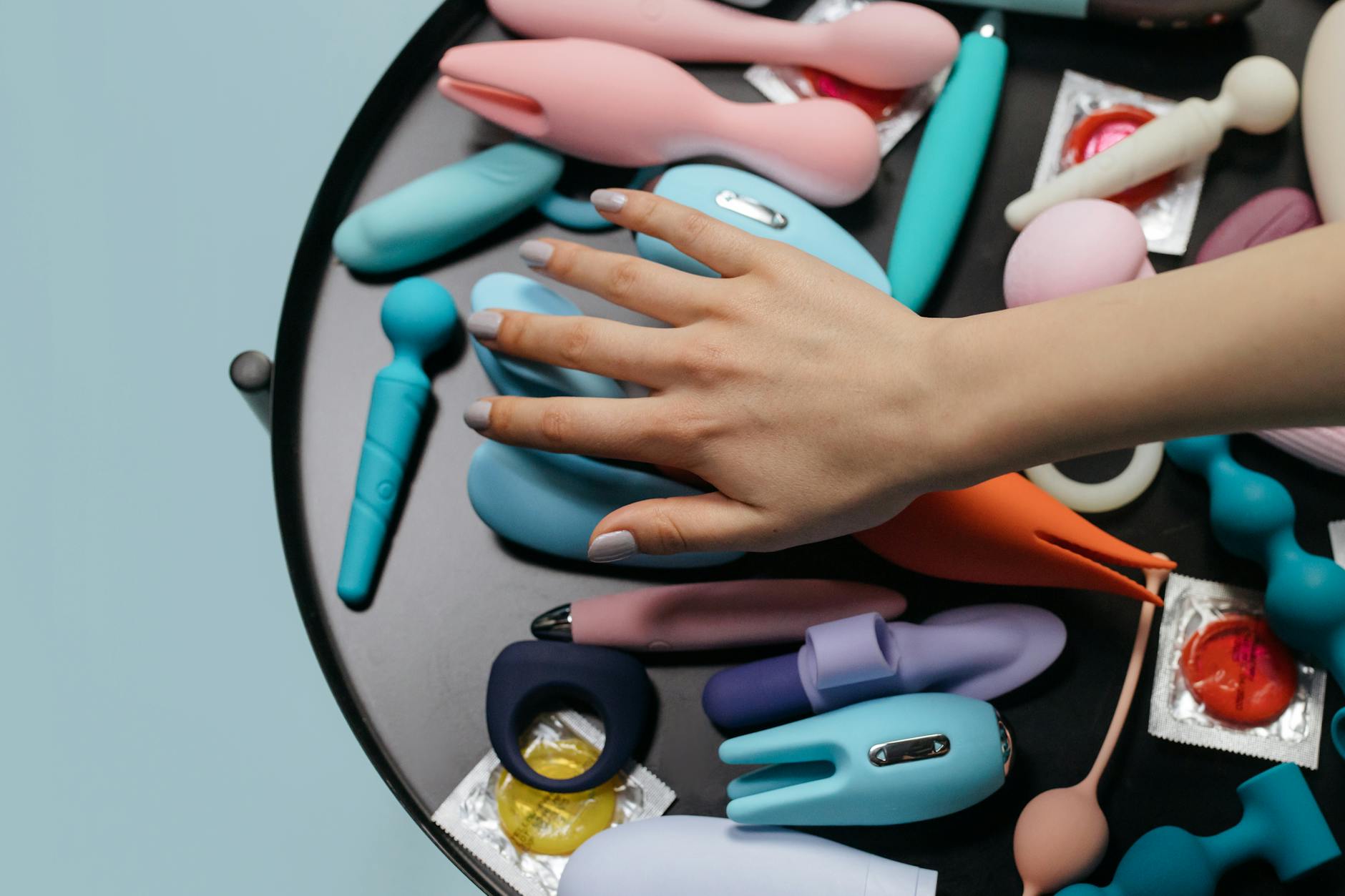
Why Lemon Vibrators Are Better for Sensitive Skin and Reactive Vulvas
If traditional vibrators leave you irritated, swollen, or sore, it's not you. Suction-based clitoral vibrators work differently, and that difference matters for reactive skin.
If you've ever used a conventional vibrator and ended up irritated, swollen, or raw afterward, you're not broken. Your skin is just reacting honestly to what it's experiencing. The problem isn't sensitivity. It's friction.
Traditional vibrators work through rapid oscillation directly against the skin. For vulvas with reactive tissue, delayed healing, contact dermatitis, or just naturally sensitive nerve endings, that direct mechanical friction can trigger inflammation even if you're using it "correctly."
Lemon vibrators use suction instead. That changes everything.
Let's break down what's actually happening at the skin level.
When you use a traditional vibrator, the motor creates rapid up-and-down movements (typically 5,000 to 10,000 movements per minute, depending on the device). That vibration travels directly through the surface of the skin and underlying tissue. For people with reactive vulvas, this creates micro-abrasion. It's not visible, but it's happening. Over time, or even after a single session, the tissue becomes inflamed.
Suction works differently. A lemon vibrator uses gentle air-pulse technology to create a rhythmic suction and release pattern. Instead of friction against the skin, you're experiencing pressure changes. The tissue isn't being rubbed. It's being gently pulled and released in a wave-like motion.
This distinction is clinically significant. Studies on suction-based devices show lower rates of post-use irritation compared to vibrators, particularly for people with:
Eczema or psoriasis affecting the vulva
Lichen sclerosus or other dermatological conditions
Recovering from childbirth, surgery, or procedures
Taking medications that thin skin (like topical steroids or retinoids)
History of contact dermatitis or fragrance sensitivity
Vulval sensitivity isn't random. There's usually a reason.
The vulva has a much thinner epidermis than other parts of the body. That's anatomical fact, not a flaw. Combined with higher blood flow and a warm, moist environment, it's simply more reactive than your forearm would be to the same stimulus.
Add in hormonal shifts, irritant exposure (douches, scented products, certain fabrics), or any disruption to the skin barrier, and reactivity goes up. If you're postpartum, post-surgical, or managing a vulval dermatological condition, the tissue is actively compromised. Using a traditional vibrator in that state is like rubbing sandpaper on a wound.
What makes lemon vibrators safer is that suction doesn't require intact, strong skin to feel good. The sensation travels through air pressure, not mechanical friction. That means effectiveness and comfort can coexist.
Beyond the technology, the material of the device itself plays a role in sensitivity.
Most lemon clitoral vibrators, including the Lem from Official Lemon Vibrator, are made from medical-grade silicone. This material is hypoallergenic, non-porous, and won't harbor bacteria or yeast. For reactive skin, that matters. Traditional vibrators sometimes use harder plastics or materials that can trap bacteria or irritants.
Medical-grade silicone is also softer to the touch. When you're using a suction device, that softness means even if you're using higher suction levels, the contact surface itself isn't adding irritation. The rim of the device sits gently on the skin without creating pressure points or indentations that could cause swelling.
With traditional vibrators, lubrication helps reduce friction. With lemon vibrators, lubrication actually enhishes the seal needed for suction to work well. But here's the key: you need less of it, and you can be more selective.
For reactive skin, that's useful. Instead of using a heavy silicone-based lube (which can be irritating for some people or trap bacteria), you can use a minimal amount of water-based lubricant and let suction do the work.
Some people with reactive vulvas find that water-based lubes themselves are irritating. With a lemon sucker, you sometimes don't need lube at all, or just a tiny amount on the rim of the device. That flexibility matters when you're managing sensitivity.
If you do use lubrication, keep these principles in mind for reactive skin:
Always water-based (silicone lubes can be occlusive and trap irritants)
Fragrance-free and dye-free
Paraben-free when possible (parabens are preservatives that irritate some vulvas)
A small amount goes a long way with suction devices
Even with suction technology, there are ways to make the experience even more comfortable if your skin is sensitive.
Start at the lowest setting. Lemon vibrators typically have 5 to 10 suction intensities. If you're dealing with reactive skin, begin at intensity level 1 or 2. You're not trying to rush to intensity. You're learning how your tissue responds. Many people find that lower intensities actually feel better anyway because the sensation is more focused.
Keep sessions shorter initially. If you're testing a lemon vibrator for the first time with reactive skin, aim for 5 to 10 minutes instead of 15 to 20. This gives you data on how your skin responds without overloading it. You can extend duration as you feel confident.
Check in after 24 hours. Irritation from traditional vibrators sometimes doesn't show up immediately. It can appear the next day as swelling, redness, or rawness. After your first session with a lemon vibrator, check in with yourself the next morning. If there's zero irritation, gradually increase intensity and duration in your next session.
Experiment with position and angle. One advantage of suction-based lemon clitoral vibrators is that you can adjust the angle and pressure. Try angling the device slightly off-center rather than directly over the clitoris. Some people with reactive skin find that the suction works beautifully on the labia or the area just beside the clitoral glans.
Consider pairing with relaxation. Tension in the pelvic floor can increase reactivity. Before using a lemon vibrator, spend a few minutes breathing deeply or doing gentle pelvic floor relaxation. A relaxed body is less likely to create inflammation in response to stimulation.
Using a lemon vibrator can absolutely help manage pleasure with reactive skin. But some conditions need medical attention first.
If you have active lichen sclerosus, active vulvodynia, or any dermatological condition being treated, talk to your gynecologist or dermatologist before introducing any new stimulation. Some conditions improve with suction-based devices. Others need a break from all stimulation during active treatment.
If you're recovering from childbirth or surgery, ask your provider when it's safe to resume any kind of sexual activity or pleasure exploration. Suction is gentler than traditional vibration, but it's not a free pass to stimulate tissue that's still healing.
If you've used traditional vibrators and consistently experienced irritation, contact dermatitis, or allergic reactions, get patch-tested if possible. You might be reacting to a specific material (often latex or certain plastics), not to vibration itself. Knowing what you're allergic to helps you choose the right device moving forward.
Here's something you don't hear discussed often. Because lemon vibrators cause less micro-abrasion, your tissue doesn't need as much recovery time between uses.
With traditional vibrators and reactive skin, you might use it once and then need three to five days for irritation to subside. With a lemon vibrator, many people find they can use it multiple times a week or even daily without problems, provided they're starting at appropriate intensity levels.
That might sound minor, but it's actually significant for people who've been managing pleasure around a healing cycle. You get more freedom and fewer restrictions.
Suction-based devices are particularly effective for people with reduced sensation because they don't rely on high-frequency vibration to be felt. The pressure changes travel differently through the tissue and often register even when traditional vibrators feel like nothing. That said, if you have severe numbness, start at higher intensities (level 6 or above) and work from there. Many people are surprised at how much they can feel with a lemon vibrator when nothing else worked.
It depends on the procedure. After a Pap smear or routine exam, you're fine to use one immediately. After a biopsy, colposcopy, or IUD insertion, wait 24 to 48 hours. After an abortion, wait at least one to two weeks, depending on how you're healing. Talk to your provider about their specific recommendation. When you do resume, start at the lowest intensity.
This is actually common. Some people find that even level 1 suction feels strong initially. Options: use it through clothing (the suction still works through thin fabric and it dampens intensity), hold it slightly off the skin to reduce direct suction, or alternate 30 seconds on with 30 seconds off to let your tissue acclimatize. Your body will adjust over a few sessions.
No. If you have an active viral or bacterial infection, avoid all stimulation, including suction devices, until the infection has cleared. These devices increase blood flow and can worsen infections. Once you're treated and symptom-free, suction-based devices are actually a great choice because they're less irritating than alternatives during healing.
Not necessarily special, just simple. Water-based, fragrance-free, paraben-free when possible. That's it. Many people find they need less lube with suction devices than with traditional vibrators. Some need none at all. Start without lube and only add it if you feel you want more glide.
Yes, but timing matters. Use your steroid cream as prescribed, wait until it's absorbed (usually 15 to 30 minutes), and then use your lemon vibrator. Steroid creams thin the skin temporarily, so if you're using one, start at lower intensities and keep sessions short until your skin stabilizes. Talk to your dermatologist if you're unsure about timing.
You should feel fine. Genuinely fine. No irritation, no swelling, no rawness.
If you do experience any of those things, dial back the intensity or session length next time. Your body's telling you it needs a gentler approach, and that's useful information.
Many people are surprised by how comfortable lemon vibrators feel compared to what they've tried before. That comfort often comes as a relief. Pleasure shouldn't require recovery. It should feel good during and after.
If you've been avoiding pleasure devices because reactive skin made the experience painful or frustrating, a lemon vibrator might be the shift you've been looking for. The technology is different. The material is different. And for many people, the experience is finally, actually good.
Ready to explore? Start low, go slow, and listen to what your body tells you. Everything from there is discovery.
Have questions about using a lemon vibrator with your specific skin concerns? Reach out. We're here to help you find what works.