Here's what disconnected foreplay actually sounds like
One partner is half-present, scrolling mentally through tomorrow's tasks. The other is trying to build momentum, checking in constantly: "Is this okay? You good?" Neither person is actually there. Foreplay stops feeling like an invitation and starts feeling like an obligation. Or worse, like a performance where one person's pleasure matters more than the other's.
This isn't rare. It's wildly common in long-term partnerships, especially after years of the same rhythm, the same touches, the same outcome. The research on couples' sexual satisfaction consistently shows that foreplay imbalance drives disconnection faster than almost anything else. When one partner is doing the work of seduction while the other is passively receiving or, worse, tolerating it, the whole thing collapses into resentment.
Lemon vibrators can't fix a broken relationship, but they can rebuild the scaffolding that foreplay needs: mutual attention, shared responsibility, and the actual sensation of being present together.
Why lemon vibrators fix the imbalance problem
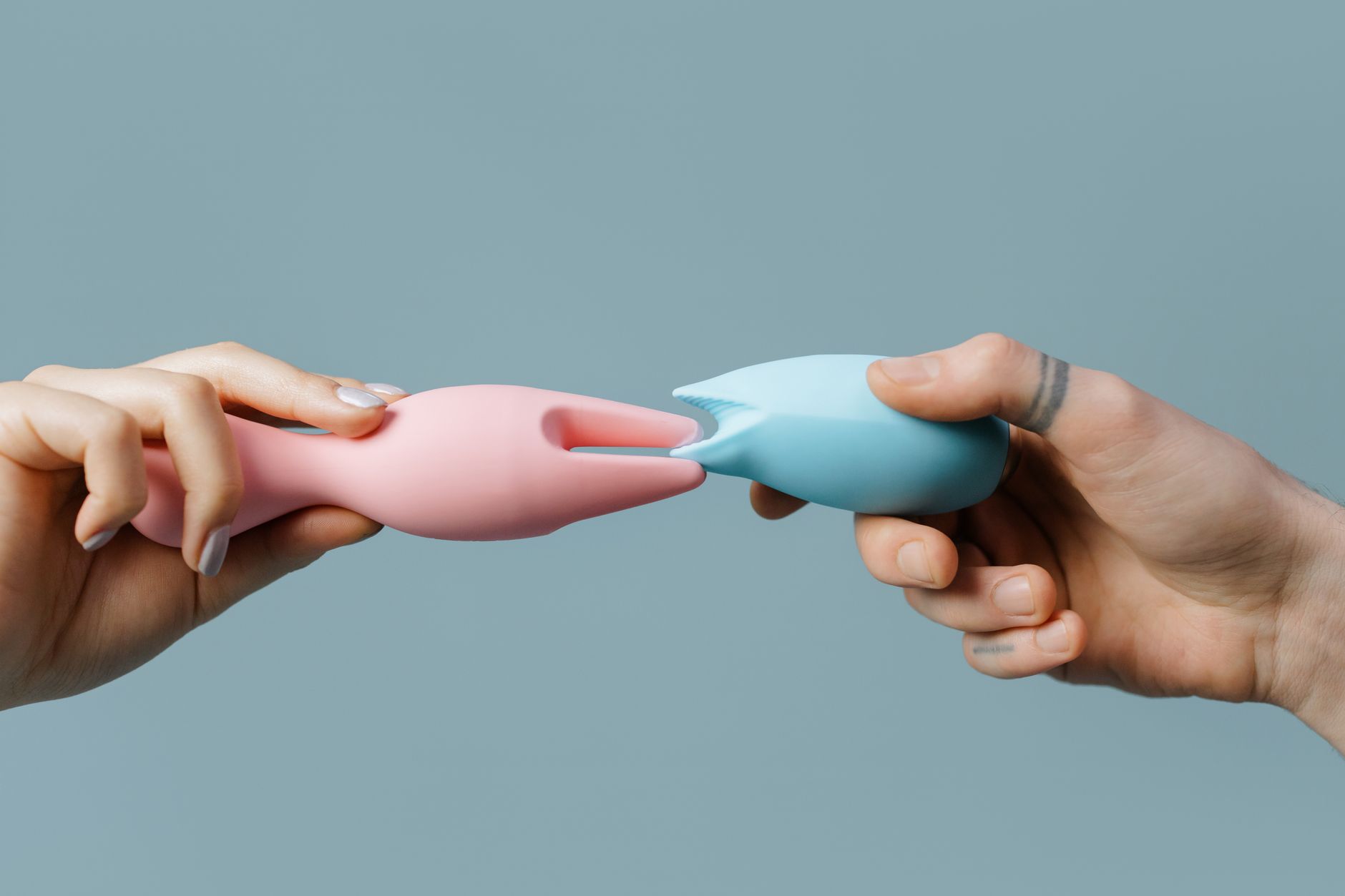
Here's the thing about lemon clitoral vibrators: they don't replace a partner. They create a third point in the triangle. Instead of foreplay being "one person doing something to the other person," it becomes "two people interacting with something together."
That shift is massive. Suddenly, both people have agency. If one partner is typically more passive, the vibrator gives them something to direct, to control, to ask for. If one partner typically carries all the seduction weight, they get to step back, pay attention, and receive something.
The suction technology in lemon vibrators also means the stimulation is different from hands or fingers alone. It's not better or worse. It's different. That novelty resets the nervous system. When sensation changes, attention follows. Your brain stops autopiloting.
I've worked with countless couples who were stuck in a foreplay rut, and introducing a toy consistently moves them from performing for each other to exploring with each other. The shift in pronouns matters: from "doing to" to "doing with."
The actual setup: how to introduce this without awkwardness
Okay, so you want to try using a lemon vibrator together, but you're worried about it feeling clinical or weird. Fair. Here's how to make it feel natural instead.
Start with curiosity, not pressure. Bring it up outside the bedroom. "I read something about these that seemed interesting. Want to try it together sometime?" Not "We need to fix our foreplay," which lands like criticism. Just "want to try something?"
First time, keep it simple. Don't make it a whole production. Light some candles if you want to, or don't. Start foreplay like you normally would. When you're both warmed up and present, one person hands it over. No script. No expectations of immediate results.
The person receiving gets to hold it first. This is key. Even if you're the one who bought it, let your partner hold the vibrator first. Let them feel the weight, control the patterns, understand how it works without pressure. This is exploration, not performance.
Take turns paying attention. If one partner is using the vibrator, the other partner's job is to be present. Watch. Ask what feels good. Touch them elsewhere. Make eye contact. This is where the reconnection happens. You're not taking turns getting pleasure. You're taking turns giving full attention.
When one partner is hesitant or skeptical
Let's be real: sometimes one person is on board and the other is worried the vibrator will "replace them" or that it's "too much" or "not necessary." This is where the conversation matters more than the toy.
The hesitant partner usually isn't actually worried about the vibrator. They're worried about what it means. "If we need a toy, does that mean I'm not enough?" Or: "This feels like too much, too fast." Address the feeling, not the tool.
Try this: "A lemon vibrator isn't about you not being enough. It's about both of us getting to experience something new together. Right now, foreplay feels like one of us is always working harder. This resets that. We both get to relax into it differently."
That's honest. That's what lemon vibrators actually do in a couple's context. They redistribute effort and attention.
If skepticism persists, there's no rush. Put the vibrator in a drawer. Revisit it in a month. Sometimes permission takes time.
The choreography that actually works
Here's what I see couples do that shifts everything.
One partner uses the vibrator on the other while they kiss. This sounds simple, but it's profound. You're not just receiving sensation. You're receiving attention while sensation is happening. Your brain registers both at once. That's connection.
Trade control mid-session. One person is holding the vibrator, then hands it over. The other person is now directing. This back-and-forth creates a conversation. You're responding to each other in real time.
Use it during penetration if that's part of your routine. The vibrator on the clitoris while a partner is inside changes the feeling for both people. The receiving partner gets intensified sensation. The penetrating partner feels the vibration through that contact. You're not doing separate things anymore. You're co-creating the experience.
Sometimes, use it alone while your partner watches. This sounds solitary, but it's not. You're showing your partner what you like. They're learning your body. Then they can do it. You're teaching, not performing.
The conversation that has to happen
Introducing lemon vibrators into foreplay only works if you're also willing to talk about what's actually wrong. If foreplay feels one-sided, there's usually a reason.
Maybe one partner never learned how to ask for what they want. Maybe the other partner is stuck in a caretaking role and doesn't know how to receive. Maybe you've both just defaulted into a pattern and stopped questioning it.
A vibrator won't solve that. But it gives you a concrete reason to have the conversation. "Why do you think foreplay feels disconnected right now?" "What would make it feel more balanced for you?" "What do you actually want from this time together?"
If you can't have that conversation, a toy won't help. If you can, the toy becomes a tool for rebuilding what got lost.
Common mistakes that kill the vibe
Don't treat it like a medical procedure. No countdown timers, no clinical language, no checking boxes.
Don't use it as a workaround for deeper problems. If one partner feels unwanted or unheard, a vibrator makes that worse, not better.
Don't assume the same patterns apply. Just because it worked for a friend doesn't mean it works for you. Experiment. Adjust. Check in.
Don't pressure someone who's uncomfortable. If your partner isn't ready, they're not ready. That's not a failure. That's them being honest.
Don't go silent. The whole point is that this creates a moment to reconnect. Keep talking. Ask what feels good. Tell them what you're noticing. Foreplay with a vibrator is more conversation, not less.
When everything clicks
When foreplay stops feeling like a transaction and starts feeling like connection, everything changes. You both show up differently. You pay attention differently. You want to do it more often, not because it's "supposed to" feel good, but because it actually does.
That's what happens when you reclaim foreplay as mutual. When both people are engaged, when attention is balanced, when you're exploring together instead of performing for each other. A lemon vibrator doesn't create that on its own. But it gives you a framework to build it.
Start simple. Stay curious. Check in. And remember: the point isn't the vibrator. The point is both of you, fully present, choosing each other. The vibrator just helps you get there.
People also ask
Can lemon vibrators work if one partner has never used a toy before?
Absolutely. In fact, many couples find it's easier to try something new together than solo. When you're both discovering it at the same time, there's less pressure and more playfulness. Start with no expectations. Let your partner hold it first, feel the weight and vibration patterns, and explore at their own pace. The Lemon Clitoral Vibrator is intuitive and has simple intensity settings, so there's no steep learning curve. Go slow, check in often, and remember that "we're figuring this out together" is the whole vibe.
What if my partner thinks lemon vibrators will replace them?
This is about reassurance and honesty. Tell them: a vibrator enhances what you do together, it doesn't replace it. Emphasize that you want to try it with them, not instead of them. Use foreplay as the proof. Let them see that the vibrator actually creates more time for kissing, touching, and eye contact. Many couples find that after trying a lemon clitoral vibrator together, they're actually more connected, not less, because the pressure to perform a specific way lifts and they can just be together.
How do I bring this up without it feeling like criticism?
Timing and tone are everything. Not during sex, and not right after a disconnected session when both people are frustrated. Try: "I've been thinking about how we could make foreplay feel better for both of us. I found this thing I think could be fun to explore together. Would you be open to trying it?" Frame it as innovation, not repair. As curiosity, not complaint. And actually listen to the response. If they're hesitant, that's information. Work with it, don't push past it.
Should both partners use the vibrator, or just one?
Ideal answer: both, but on different schedules and in different ways. If one partner typically receives more pleasure from clitoral stimulation, they might use it first while the other is fully present. Then they can take turns. Or use it during partnered sex. The flexibility is part of what makes lemon vibrators useful for couples. There's no "should." There's only what feels good to both of you.
What if we try it and it doesn't help?
One session doesn't define the whole thing. Sometimes it takes a few attempts for the novelty to wear off and for you both to actually relax into it. Sometimes you need a different approach. Maybe the vibrator isn't the entry point. Maybe you need to have the connection conversation first, then try the tool. And sometimes, honestly, it just doesn't click for a couple. That's okay. The point was that you tried something together. That's the connection itself. You were curious and brave and willing to experiment. That matters more than whether the toy becomes a regular part of your routine.
Is there a best lemon vibrator for couples who are just starting out?
The Lemon Clitoral Vibrator has variable intensity, which gives you control, and the suction technology creates sensation that's clearly different from fingers alone. That differentness helps reset attention. It's intuitive to use, which means less fumbling and more presence. Start there. As you both get more comfortable, you can explore other options, but honestly, many couples find they keep coming back to lemon vibrators because they work.
What comes next
Foreplay that's balanced, mutual, and attentive builds everything else. You reconnect through presence. You rebuild desire through actual attention to each other's pleasure. You remember why you wanted each other in the first place.
A lemon vibrator won't do that work for you. But it can create the conditions where the work feels easier. Where both people show up. Where you're not performing or tolerating or half-present. You're actually there together.
Start with a conversation. Move to curiosity. Try something new. Pay attention. The rest follows.