Here's the thing no one talks about
Clitoral sensitivity doesn't decline. It redistributes. The architecture stays intact, but how stimulation lands changes over time. For some people it happens in their 40s, for others it's earlier or later. The point is: it's not permanent numbness, and it's not a problem you need to solve. It's information your body is sending, and you get to adjust how you listen.
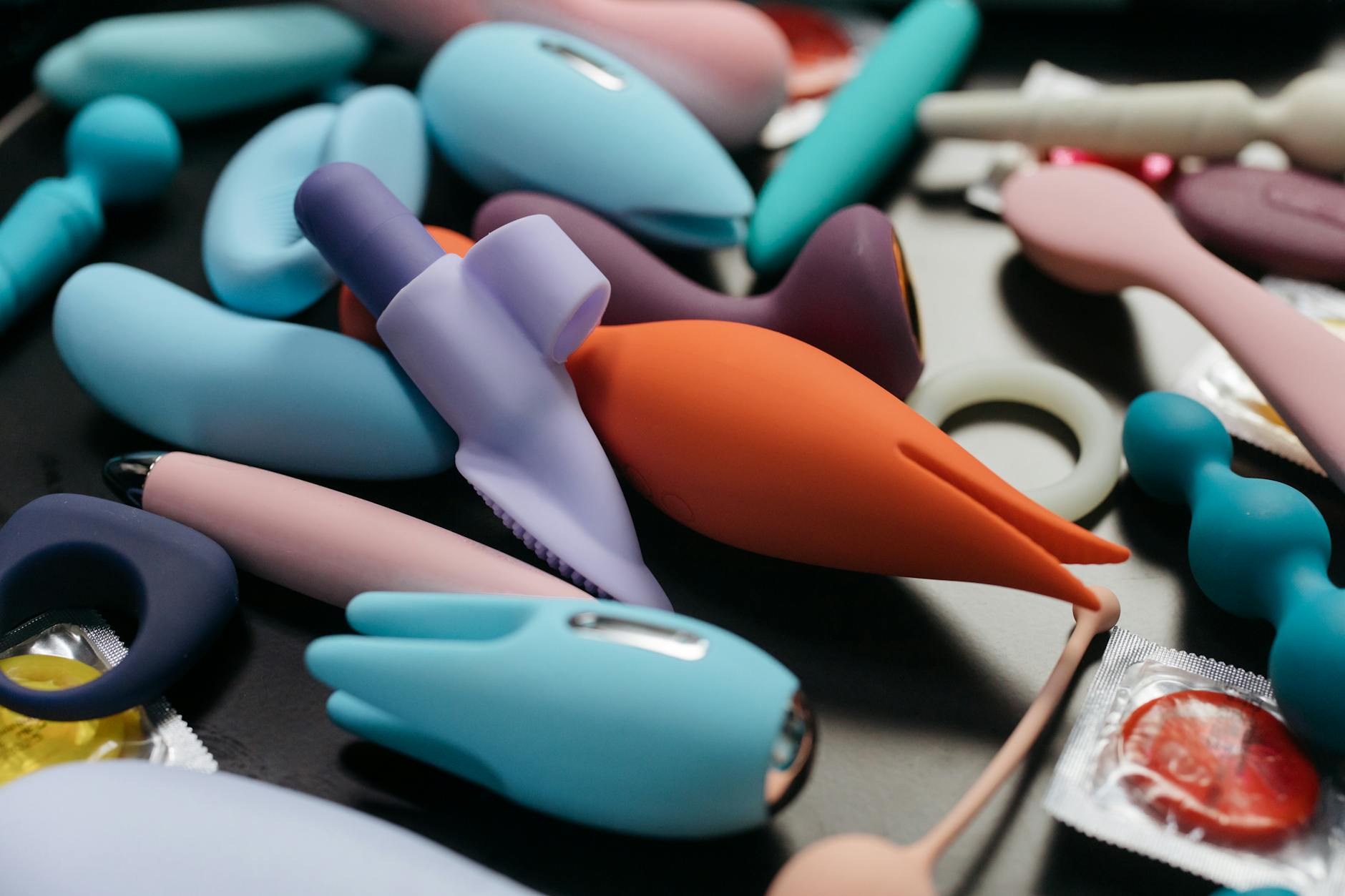
This is where lemon vibrators come in. The specific pressure and rhythm profile of a lemon clitoral vibrator gives you granular control when sensitivity is in flux. You're not fighting your body's response. You're tuning into it.
What actually changes with clitoral sensitivity
As we age, a few things happen simultaneously. Blood flow to the clitoris can become less reflexive. Nerve sensitivity doesn't disappear, but the threshold for activation shifts. Hormone levels influence blood vessel elasticity and tissue thickness. The pelvic floor, which supports clitoral positioning and blood flow, gets less estrogen-dependent support. All of this means direct clitoral touch that once felt electric might now feel dull or even uncomfortable.
But here's what doesn't change: the clitoris has roughly 8,000 nerve endings no matter your age. The capacity for pleasure is there. It's just that the delivery method needs recalibration.
Many of my clients find that as sensitivity shifts, the window for pleasure actually widens. Broader patterns become visible. Gentler pressure reveals sensations that raw intensity used to mask. Slower rhythms sometimes hit differently than they did before.
Why lemon vibrators work particularly well for changing sensitivity
A lemon vibrator uses suction and gentle pulsation rather than direct vibration alone. That matters when sensitivity shifts because suction creates a broader pressure field than a single point of contact. Instead of hammering one spot, it draws surrounding tissue into the stimulation, distributing the sensation.
That distribution is exactly what's useful when sensitivity becomes more selective. You're not trying to overwhelm the clitoris into responding. You're creating conditions where response can happen naturally.
The lem vibrator, for example, operates across five intensity levels and multiple patterns. At level one, it's barely perceptible. By level five, it's robust without being jarring. For someone with age-related sensitivity shifts, this range means you're not jumping from "nothing" to "too much." You have actual granularity.
The three-step adjustment protocol
Start lower than you think you need. If you've used lemon vibrators before, your baseline intensity probably isn't right anymore. Assume you'll find your sweet spot two levels lower than your previous default. Spend time there. Your body will tell you whether you need to climb or whether this is the edge where pleasure lives now.
Extend warm-up time. Blood flow takes longer to establish in the clitoris as we age. Where five minutes of foreplay used to be enough, 15 minutes becomes standard. This isn't weakness. It's the body doing its job, just on a different timeline. Use this time for touch that doesn't involve the lemon vibrator. Manual stimulation, kissing, building anticipation. Then introduce the vibrator once you notice your own arousal climbing.
Explore different contact angles. A lemon sucker can work head-on, at a slight angle, or even over clothing initially. Shifting the angle changes which nerves receive stimulation. Some angles will feel nothing like you remember. Others will surprise you. There's no "right" angle, just the one that works today.
The rhythm shift most people miss
Intensity gets all the attention. Rhythm doesn't. But rhythm is often where the magic lives when sensitivity changes. Slower, more deliberate patterns (imagine 60-80 pulses per minute rather than 120+) allow your nervous system to register each sensation individually instead of blurring them together.
A pattern that feels annoyingly slow at 30 might be exactly right at 45. The delay gives your body time to build response between pulses instead of demanding constant peak activation. This is lowkey revolutionary for people who assumed they'd lost the ability to enjoy vibrators.
If your lemon clitoral vibrator has multiple patterns, skip the rapid ones for a month. Sit with the slow, steady options. Notice what changes. Most of my clients find that the pattern they thought they hated becomes their favorite once sensitivity shifts.
Pairing lemon vibrators with other sensations
When clitoral sensitivity changes, combining the vibrator with something else often works better than solo use. This isn't a workaround. It's just how pleasure stacks when the entry point shifts.
Pressure from a partner's hand on your lower belly, thigh, or pelvic floor changes how the vibration registers. Manual stimulation elsewhere while using the lemon vibrator creates a kind of sensory dialogue. Some people find that combining suction with temperature play (warming or cooling the surrounding area) completely reframes what they feel.
Gentle penetration happening at the same time can create a grounding sensation that makes clitoral stimulation land better. Or keeping everything external but slowing everything down to coordinate with breathing. The variables are endless once you stop assuming there's only one way for pleasure to work.
When sensitivity changes mean something else
If sensitivity shift happens suddenly rather than gradually, or if it comes with pain, or if numbness is complete and doesn't improve over weeks of different approaches, that's worth mentioning to a doctor. Nerve damage from diabetes, thyroid shifts, medication changes, or other physiological factors can mimic age-related sensitivity changes but need different intervention.
But gradual sensitivity shifts that happen over months or years, where pleasure is still possible but the route looks different. That's normal. That's your body maturing. That's exactly what a lemon vibrator is designed to meet you with.
The actual timeline for finding your new normal
Give yourself six weeks of consistent experimentation. Not six weeks of the same settings, but six weeks of trying different combinations with the understanding that you're learning, not failing. One week at level two with a slow pattern. Next week at level three with the same pattern. Then back to level two with a faster pattern. Track what feels good. Your clitoris will teach you what it needs.
Some people find their new sensitivity baseline in two weeks. Others take months. The variation doesn't matter. What matters is that you're not forcing the old response back. You're meeting your body where it is now and building pleasure from there.
A note on partners
If you're using lemon vibrators with a partner, tell them what's changed. Not just the physical sensation, but the timeline, the pressure, the angles. The biggest mistake couples make is assuming sensitivity shift means reduced interest rather than adjusted requirements. It's not "she doesn't want this anymore." It's "this works differently now, and here's how we make it work better."
Clitoral sensitivity shifting is not loss. It's information. What you do with that information decides whether pleasure gets worse or just gets different.
People also ask
How much does clitoral sensitivity typically decrease with age?
There's no standard "amount." Some people notice subtle changes. Others experience significant shifts. What matters is that studies show clitoral nerve density remains stable throughout life. Changes are usually about blood flow, hormone levels, and tissue elasticity, not nerve loss. That's why adjustment is possible. The hardware is still there.
Can I use the same lemon vibrator settings I used 10 years ago?
Probably not, and trying often creates frustration. Most people need to drop intensity by one or two levels and slow rhythm patterns down. But "probably not" isn't universal. The only way to know is to try your old settings and notice what happens. If it works, great. If it doesn't, you have a clear signal to adjust.
Does using a lemon vibrator more often help sensitivity return to baseline?
Regular use can actually help blood flow and nerve responsiveness over time, similar to how exercise strengthens any part of your body. But the goal isn't returning to what you had before. It's building capacity with what you have now. More frequent use helps you discover your current sensitivity profile faster.
Is it normal for clitoral sensation to come and go day to day?
Completely normal. Hormone cycle, hydration, stress, sleep, and medication timing all affect clitoral blood flow and nerve sensitivity. One day you might need level one. Three days later, level three feels right. That variability isn't a sign something's wrong. It's your body being biological. Flexibility matters more than consistency.
Should I try a different vibrator if sensitivity has changed?
Not necessarily. Before switching tools, spend time adjusting the settings and technique on what you have. A lemon vibrator's range is wide enough that most sensitivity profiles fit somewhere on the spectrum. If you've genuinely exhausted the low-intensity options, then exploring other vibrators makes sense. But most people find their answer with the settings they haven't tried yet.
Can hormonal changes besides age affect clitoral sensitivity?
Yes, significantly. Thyroid shifts, birth control changes, antidepressants, and other medications can affect sensitivity. Hormonal fluctuations during your cycle (if you still cycle) absolutely influence response. Stress hormones suppress clitoral blood flow. If sensitivity changes came alongside another life shift, that's worth acknowledging. It might change how you approach adjustment.
What this really means
Clitoral sensitivity doesn't follow a line. It's not a steady decline from 25 to 85. It's a landscape that shifts based on your body, your life, your stress, your hormones, your age, your partner situation, your health. A lemon vibrator works because it meets you on that landscape without judgment. You adjust intensity, rhythm, angle, timing. Your body responds. That dialogue between tool and body is how you keep pleasure alive even as everything changes.
If you want to explore how shifting sensitivity might work with a lemon vibrator, start with one level lower than you think and give yourself permission to learn. That's it. That's the whole protocol. Everything else follows from curiosity about what your body can feel right now.