Hysterectomy changes everything. The surgery removes your uterus, and sometimes your cervix and ovaries too. But it doesn't remove your clitoris. It doesn't sever your orgasmic capacity. What it does do is interrupt the nerve pathways, shift your pelvic floor, and send your nervous system into a state of profound confusion.
Most people report that orgasms feel completely different after hysterectomy. Some say they vanish entirely for months or years. Others say they come back stronger. The variance is wild because the surgery rewires both your anatomy and your relationship to your own body.
The good news: you can rebuild this. It takes patience, the right tools, and honest conversation with your nervous system about what it needs right now.
The uterus isn't just a reproductive organ. It's deeply innervated. During sex, the uterus contracts and contributes to the sensation of orgasm. Remove it, and the brain loses a major feedback signal. Additionally, the surgery itself creates scar tissue around the vagina and pelvic floor, and if your ovaries were removed, the sudden drop in estrogen creates the same tissue thinning and dryness you'd experience in menopause.
Then there's the nervous system piece. Your body has been through trauma, even if the surgery was necessary and wanted. Trauma isn't about whether something was the right choice. Trauma is about involuntary physical change. Your nervous system is grieving the architecture it lost, and grief lives in the body first.
This is why orgasm often feels impossible at first. It's not that the mechanics are gone. It's that your nervous system is stuck in a protective state, flooding your pelvis with tension instead of relaxation.
Most surgical guidelines say you can resume sexual activity after 4-6 weeks. That's medical healing, not sexual healing. Ignore that number.
Physically, your tissues need 12-16 weeks to stabilize. Neurologically, your nervous system can take 6-12 months to recalibrate what pleasure is. Some people experience what's called "surgical menopause" if their ovaries were removed, which adds another layer of hormonal recalibration on top of the neurological one.
What this means: don't panic if nothing happens for three months. Don't assume you're broken if pleasure takes a year. You're not slow. You're rebuilding from a major architectural change.
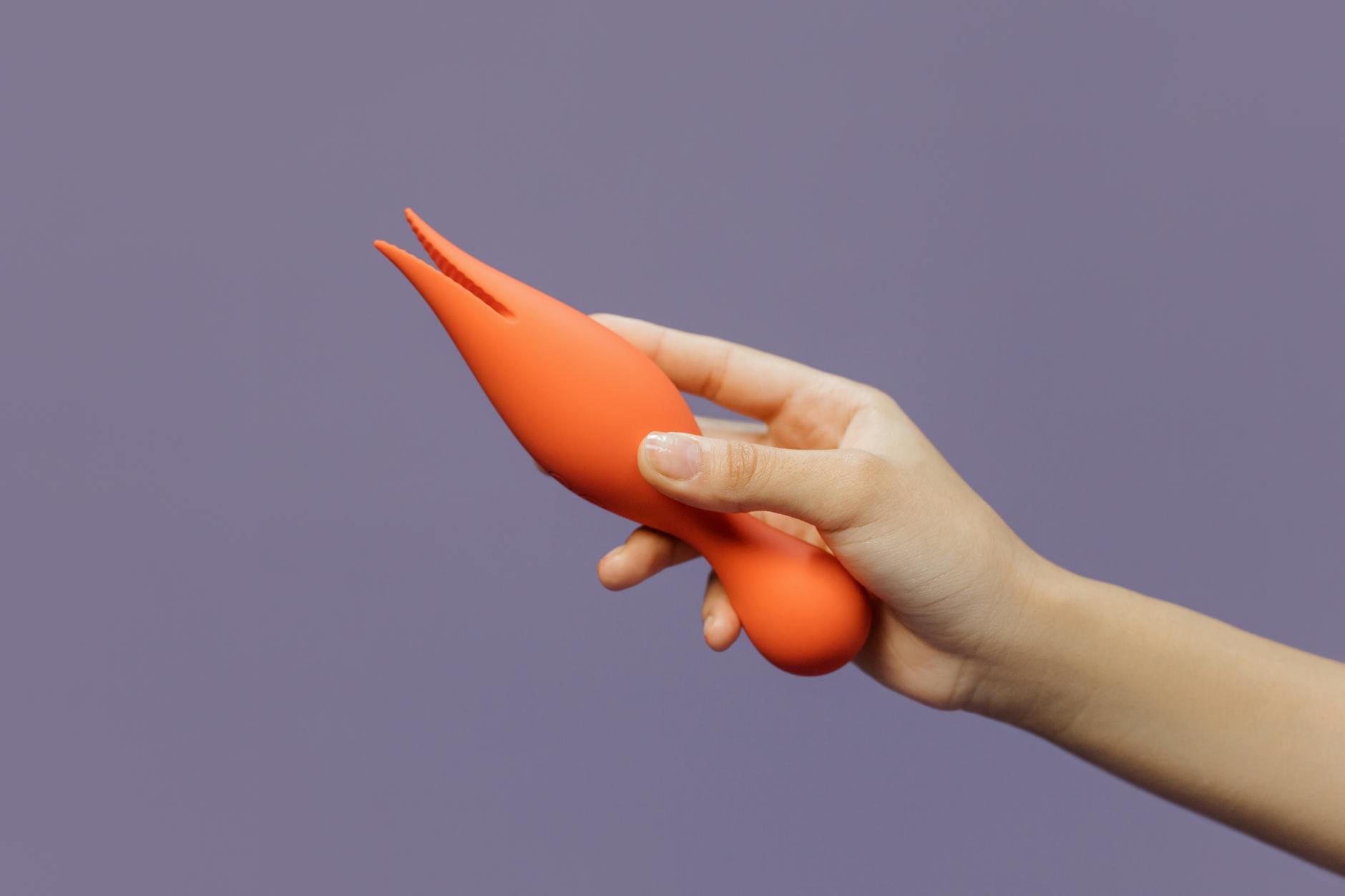
Lemon vibrators, including the Lem, use gentle suction and micro-vibrations rather than traditional vibration. After hysterectomy, this matters intensely. Here's why:
Your pelvic floor is likely hypersensitive or numb depending on the day. A wand vibrator creates deep, broad pressure that can feel invasive or overwhelming when you're already tender. Air-suction lemon clitoral vibrators work differently. They stimulate the clitoris without aggressive friction. The sensation is gentle enough to feel safe to your nervous system, but consistent enough to create a feedback loop that teaches your brain it can relax.
Second, suction creates a sense of containment. When your nervous system is in protection mode, it responds better to gentle, held pressure than to rapid movement. A lemon vibrator feels like a hug. A wand vibrator can feel like it's happening to you rather than for you.
Third, the patterns on these devices are subtler. You can start at the lowest setting and stay there for weeks if you need to. There's no pressure to ramp up intensity.
If you're reading this and orgasm feels like a complete impossibility, here's the week-by-week map:
Weeks 1-4 (Post-clearance): Touch your clitoris with your finger. That's it. No vibrators yet. The goal is to establish that sensation is possible. You might feel nothing. You might feel numbness, tingling, or pain. All of that is normal and temporary. Spend 5-10 minutes every few days just touching, without expectation. Your nervous system needs to learn that external touch is safe again.
Weeks 5-8: Introduce a lemon vibrator at the lowest setting. Don't put it directly on your clitoris yet. Place it near the area and let the vibration travel. You're looking for any spark of sensation, not an orgasm. If nothing happens, that's okay. This is just reintroduction.
Weeks 9-16: Gradually increase time and intensity. Move the vibrator closer to direct contact. Experiment with pressure. Some people need very light contact. Some need firm suction. There's no right answer.
Month 5 onward: Orgasm might arrive. It might take longer. When it does, it will likely feel different. Shorter, flatter, more local, or weirdly intense. None of those are wrong. That's your new normal, and it's still a real orgasm.
Your pelvic floor is holding tension. Even if you don't feel it consciously, your muscles are gripped. After hysterectomy, this happens automatically as part of the injury response.
Lemon vibrators can help, but they're only half the equation. You also need to actively teach your pelvic floor to relax. Here's a practice that works:
Lie down. Place the Lem at the lowest setting against your clitoris. As you feel the vibration, consciously soften your pelvic floor. Imagine your vaginal opening releasing. Your sphincter loosening. Your lower belly becoming heavier. Do this for 3-5 minutes, then stop. Rest. This isn't about chasing sensation. It's about showing your nervous system that relaxation and external touch can happen at the same time.
Repeat this daily if possible. Over weeks, your body starts to understand: vibration does not mean threat. It means permission.
Most post-hysterectomy people grieve the loss of fertility, even if they didn't want more children. The surgery is often experienced as a violation of bodily autonomy, even when it was medically necessary. And pleasure becomes tangled up in that grief because pleasure, historically, was tied to the reproductive function you just lost.
If you're struggling to connect with pleasure after hysterectomy, ask yourself: am I actually numb, or am I protecting myself from feeling what's underneath? These feel different. Numbness is absence. Protection is presence with armor on.
If it's protection, a vibrator can't fix that alone. You need space to grieve, to be angry, maybe to talk to someone who specializes in body image after surgery. A marriage and family therapist or sex therapist can help you separate pleasure from reproduction and rebuild intimacy on new terms.
A lemon vibrator is a tool for the nervous system. It's not a tool for emotional processing. If the emotional piece isn't addressed, pleasure might never fully return even once the tissues heal.
If you're experiencing pain during or after any sexual activity beyond the first three months, tell your gynecologist. Scar tissue sometimes needs physical therapy to break up. If orgasm is completely absent after a year, ask about pelvic floor physical therapy or talk to a sex therapist. If desire vanished and isn't returning, hormone levels might need checking (especially if your ovaries were removed).
None of these are failures. They're just recalibrations that sometimes need professional support.
Your body didn't lose the capacity for pleasure. It lost the structure it used to achieve it. Those are different problems. The structure was a neural pathway that included the uterus. The capacity lives in your clitoris, your brain, your ability to relax, and your willingness to stay curious about what your body can do now.
A lemon vibrator is one part of that relearning. But the bigger part is patience with yourself. Your nervous system has been through something enormous. It gets to take time. Your pleasure gets to look different. Your orgasms get to be slower, quieter, weirder, or more intense. They just get to exist again.
Start small. Use something gentle. Give your nervous system permission to learn pleasure all over again. And if you need help along the way, reach out.
Most surgeons clear you for sexual activity at 4-6 weeks, but that doesn't mean you're ready for vibrators yet. Your tissues are still healing and your nervous system is still in protection mode. I recommend waiting until at least week 5-6 to introduce a lemon vibrator, and even then, starting at the absolute lowest setting on your device. If you experience bleeding, increased discharge, or pain, wait longer. Healing isn't linear.
Your uterus contributed to the sensory experience of orgasm through its contractions and nerve endings. Remove it, and your brain loses a major feedback signal about what pleasure is. Additionally, scar tissue from surgery creates physical tension in your pelvic floor, and if your ovaries were removed, the sudden hormone drop creates tissue thinning and dryness. The combination of anatomical change, nerve interruption, and hormonal shifts creates a perfect storm where pleasure feels not just different, but impossible. This is temporary. With time and the right tools, it returns.
Yes, but you need the right kind. Air-suction lemon vibrators are gentler than traditional vibrators because they use subtle pressure and micro-vibrations rather than aggressive buzz. This gentleness is crucial when your nervous system is in protection mode. The consistency of stimulation also teaches your nervous system to relax rather than brace. Over weeks of gentle, consistent use, sensation rebuilds and pleasure can return. You're not forcing anything. You're giving your body consistent, safe feedback that pleasure is possible again.
Both are normal in the first 2-3 months. Numbness means your nervous system is still recalibrating. Pain (beyond mild discomfort) means your tissues or pelvic floor are still too tender. If you experience pain, stop and try again in a few days. If numbness persists beyond three months, or if pain doesn't improve, see your gynecologist. Scar tissue sometimes needs physical therapy. Your body's signals matter. Listen to them.
Yes, but not always in a bad way. Because the uterus is gone, orgasms often feel more localized to the clitoris and external structures. They're sometimes shorter or quieter than before. But some people report they're more intense, more frequent, or easier to achieve without the uterine contribution. The shape of your pleasure changes. The capacity doesn't disappear. You're learning your body again from scratch, and that can actually be freedom.
If your ovaries were removed, hormone levels drop suddenly, which creates tissue thinning, dryness, and reduced blood flow to the clitoris. Hormone replacement therapy can help all of these. But it takes 6-8 weeks to notice effects, and it's not a magic fix. You still need nervous system recalibration and permission to explore. HRT can remove one barrier, but pleasure rebuilds through practice and patience, not through pills alone. Talk to your gynecologist about whether HRT makes sense for your situation.
If you're struggling with pleasure after hysterectomy, you're not broken and you're not alone. Thousands of people rebuild their sexual lives after this surgery every year. It takes time, the right tools, and sometimes professional support. If you want to talk through your specific situation, reach out. I'm here to help you rebuild from wherever you are right now.