How to Use a Lemon Vibrator When Pleasure Returns After a Long-Term Relationship Breakup
After years of partnered intimacy, solo pleasure feels strange. A lemon clitoral vibrator can help you reclaim sensation, rebuild trust in your body, and move through grief with honesty.
After a long-term relationship ends, your body becomes unfamiliar territory. For years, your pleasure was tied to someone else's presence, rhythm, and touch. Now that they're gone, the absence isn't just emotional. It's physical. Your body doesn't know how to want things on its own anymore.
This isn't weakness. It's the neurological reality of coupled intimacy. When you've spent years syncing your arousal to another person's cues, relearning solo sensation feels like starting from scratch. The good news: you're not broken, and a lemon clitoral vibrator can be the bridge that helps you remember.
Breakup recovery is different from other pleasure reboots. When you're starting over after 50, or rebuilding after stress, your body hasn't been trained to respond to someone else's timeline. But after a long-term breakup, your nervous system is actually unlearning something. Your body learned to wait for another person's touch, to sync pleasure to their mood, to negotiate desire on their terms.
Removing that person doesn't automatically restore your independent pleasure response. It takes practice. Lemon vibrators work so well here because they're consistent, non-judgmental, and entirely on your schedule. They don't carry the emotional weight of the person who just left.
Research on couple intimacy shows that people who've been partnered for 10+ years often report feeling "disconnected" from solo pleasure even months after a breakup. This isn't laziness or lack of interest. It's neural retraining. Your brain's pleasure pathways were literally shaped by partnership.
Don't aim for orgasm. Seriously. That's the trap that keeps people stuck.
The first phase is about permission and sensation. Your job right now is to feel your own touch without comparing it to someone else's or judging yourself for wanting something different. Start with no expectation of outcome.
Here's what I suggest to clients in early breakup recovery:
Week one: Explore without the vibrator. Take a bath, dry off, and spend 10-15 minutes touching your own body with curiosity, not agenda. Notice where you're numb. Notice where sensation feels alive. Write it down if that helps.
Week two: Introduce a lemon clitoral vibrator on its lowest setting. This isn't about getting off. It's about learning what direct clitoral suction feels like when you're in control. Many people find that this simple sensation (no thrusting, no complexity) feels less "loaded" than other toy types because it's not mimicking partnered sex. It's entirely its own thing.
Week three onward: Extend your exploration time. Maybe that's 20 minutes. Maybe it's an hour. There's no timeline. Some people find that their pleasure appetite returns quickly. Others need three months to feel interested. Both are normal.
Pleasure after a breakup often gets tangled with grief. You might start using a lemon vibrator and suddenly feel tearful, angry, or deeply sad. This is not a sign that something is wrong. It's a sign that you're processing.
Intimacy is woven through your nervous system. When you're alone with your body for the first time in years, all of that loss surfaces. Some sessions will feel like pleasure. Some will feel like mourning. Both matter.
I tell my clients: if you need to cry in the middle of solo pleasure, cry. If you need to stop, stop. The whole point is reclaiming your right to listen to your own body instead of managing someone else's needs. That begins with honoring whatever you feel.
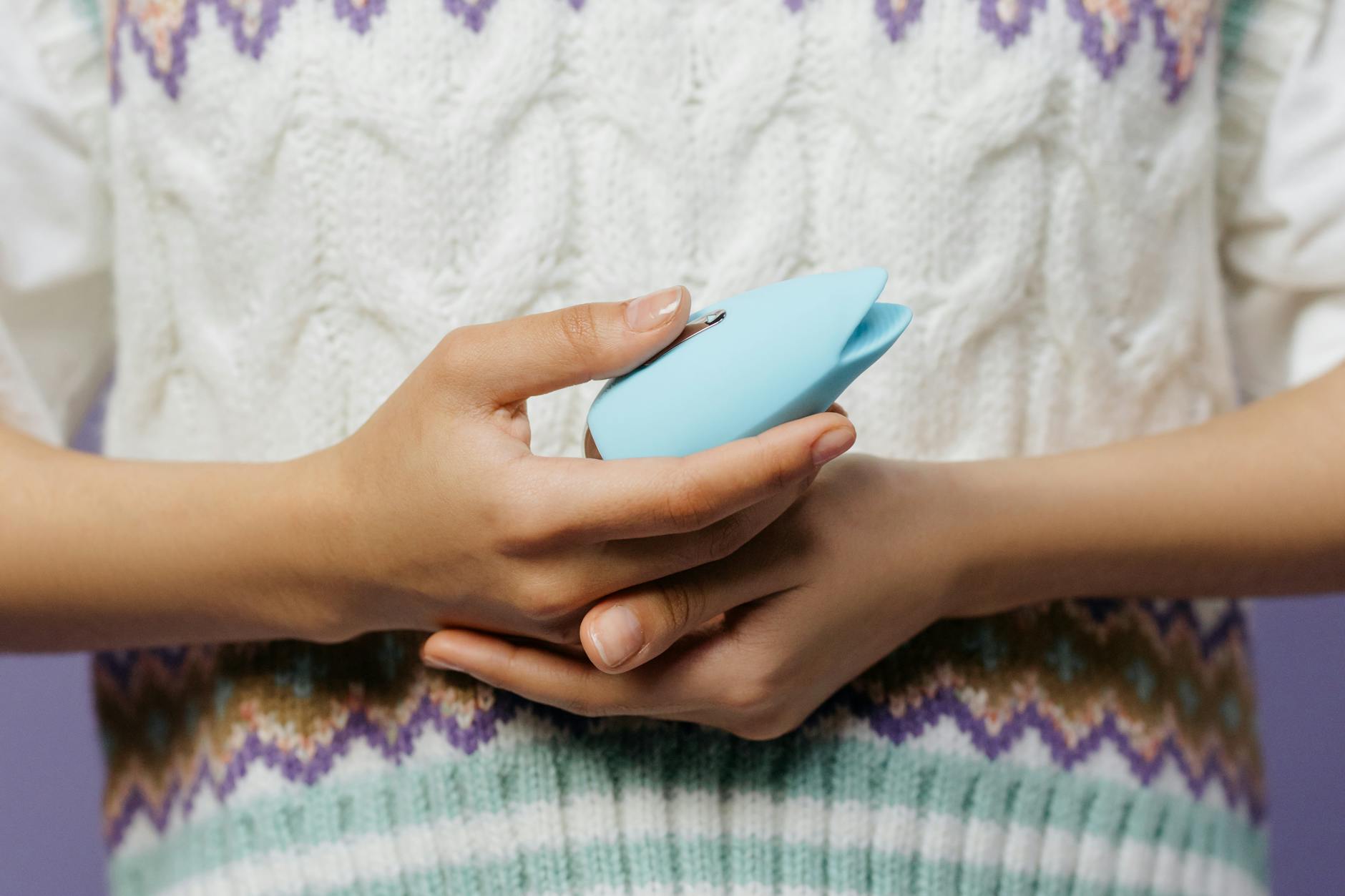
Lemon clitoral vibrators (like a suction-style toy from Official Lemon Vibrator) have a particular advantage for breakup recovery. They don't require penetration. They don't involve thrusting. For a lot of people, those things carry too much partnered memory in the early months.
What a lemon vibrator does is deliver consistent, gentle suction stimulation that feels nothing like partnered sex. It's its own experience entirely. You can control the intensity. You can stop instantly. You can use it for 30 seconds or 30 minutes. This autonomy is the whole point.
Many of my clients report that the first time they have an orgasm post-breakup using a lemon clitoral vibrator, it feels surprising. Not because it's intense, but because it's theirs. It came from their own choosing, their own pace, their own body. That reclamation is often more important than the physical pleasure itself.
After a breakup, especially a long one, many people feel weird about their own pleasure. You might have thoughts like: "Is this sad? Am I supposed to be alone right now? What if wanting this means I'm not grieving properly?"
All of that is the voice of a nervous system that learned to make pleasure relational. You're retraining that system.
Here's what helps:
Separate pleasure from moving on. Using a lemon vibrator isn't about "getting over it faster." It's about staying in relationship with your own body while you heal. Those are not the same thing. You can grieve the person and explore your own pleasure simultaneously. Grief doesn't require self-abandonment.
Track the small shifts. When you first start using a lemon clitoral vibrator after a breakup, you might notice: your breathing changes differently, your body tenses less, you feel present instead of watching yourself from outside. These tiny shifts in nervous system regulation are the actual goal. Orgasm is a bonus.
Notice when shame shows up. Some people feel guilty about pleasure during breakup recovery. This often connects to religious upbringing, or the cultural message that solo pleasure is "selfish" or "sad." Name it when it appears. It's not truth. It's old programming.
There's no standard answer. I've worked with clients who felt reconnected to their own pleasure within weeks, and others who needed a year. Both timelines are valid.
What matters is consistency and curiosity, not speed. Using a lemon vibrator once a week for three months will reshape your nervous system more effectively than using it intensely for two weeks and then stopping.
Some people find that pleasure capacity returns in phases. Maybe solo pleasure comes back first. Maybe partnered pleasure (if/when that becomes relevant) takes longer. Maybe they're the same. Pay attention to what's true for your own body, not what you think should happen.
One pattern I see often: people who take time for solo pleasure in early breakup recovery report feeling stronger, more grounded, and more clear about what they actually want when they're ready to date again. That's not coincidental. Reconnecting with your own pleasure is foundational rebuilding work.
If you spent years having partnered sex, solo pleasure with a lemon clitoral vibrator will feel different. Shorter, maybe. Less "complete." Different in the kind of sensation. This difference doesn't mean something is wrong. It means it's a different experience.
The trap is comparing your solo pleasure to your coupled pleasure and deciding that solo feels "lacking." That comparison will tank your recovery. A lemon vibrator isn't meant to replicate partnered sex. It's meant to help you discover what solo sensation actually is.
If six months into using a lemon clitoral vibrator you still feel completely numb or if pleasure feels consistently painful or distressing, that's worth discussing with a therapist who specializes in sexual health or relationship recovery. Sometimes trauma or deep grief needs professional support.
But if you're feeling the expected mix of grief, curiosity, confusion, and occasional pleasure, you're on track. This is what healing looks like.
There's no "right" timeline. Some people feel ready within weeks. Others need months. The key indicator: are you using it out of genuine curiosity about your own body, or are you using it to numb pain or "move on faster"? If it's the first, you're ready. If it's the second, wait a few weeks. There's a difference.
Not inherently. For some people, it actually provides comfort because it's predictable and non-judgmental. For others, it highlights what's missing. Notice what you feel without deciding it's "wrong." If solo pleasure consistently deepens loneliness, you might benefit from connecting with friends or a therapist instead.
No. But it can help you reconnect with parts of yourself that aren't organized around your ex. That's different. You're not trying to forget them. You're remembering who you are separately from them. That takes time.
Water-based lubricant is always the safest choice with lemon adult toys. Some people find that using lubricant makes early solo sessions feel more sensual and less clinical, which helps with pleasure retraining.
That's entirely your choice. There's nothing to hide, but there's also no obligation to share. You might mention it as context ("I'm reconnecting with my own pleasure after my last relationship") or you might keep it private. Whatever feels authentic to you.
The honest answer: you'll probably use it for both at different times, and that's okay. Pay attention to how you feel after. If you feel more grounded and more connected to yourself, it's probably healthy. If you feel more numb or more distressed, you might be using it to escape. Adjust accordingly.
Breakup recovery isn't linear. You'll have days where you feel ready to explore and days where you feel fragile. You'll have sessions with a lemon clitoral vibrator that feel amazing and sessions that feel neutral. All of it is data about who you are as a sexual being, independent of a partner.
Your pleasure matters. Your body matters. Your right to explore what feels good is not dependent on being in a relationship. Using lemon vibrators or any other tool to reconnect with your own sensation is not selfish or sad. It's reclamation.
If you're working through a breakup and want support navigating not just pleasure but the whole transition, reach out. I'm here to help.