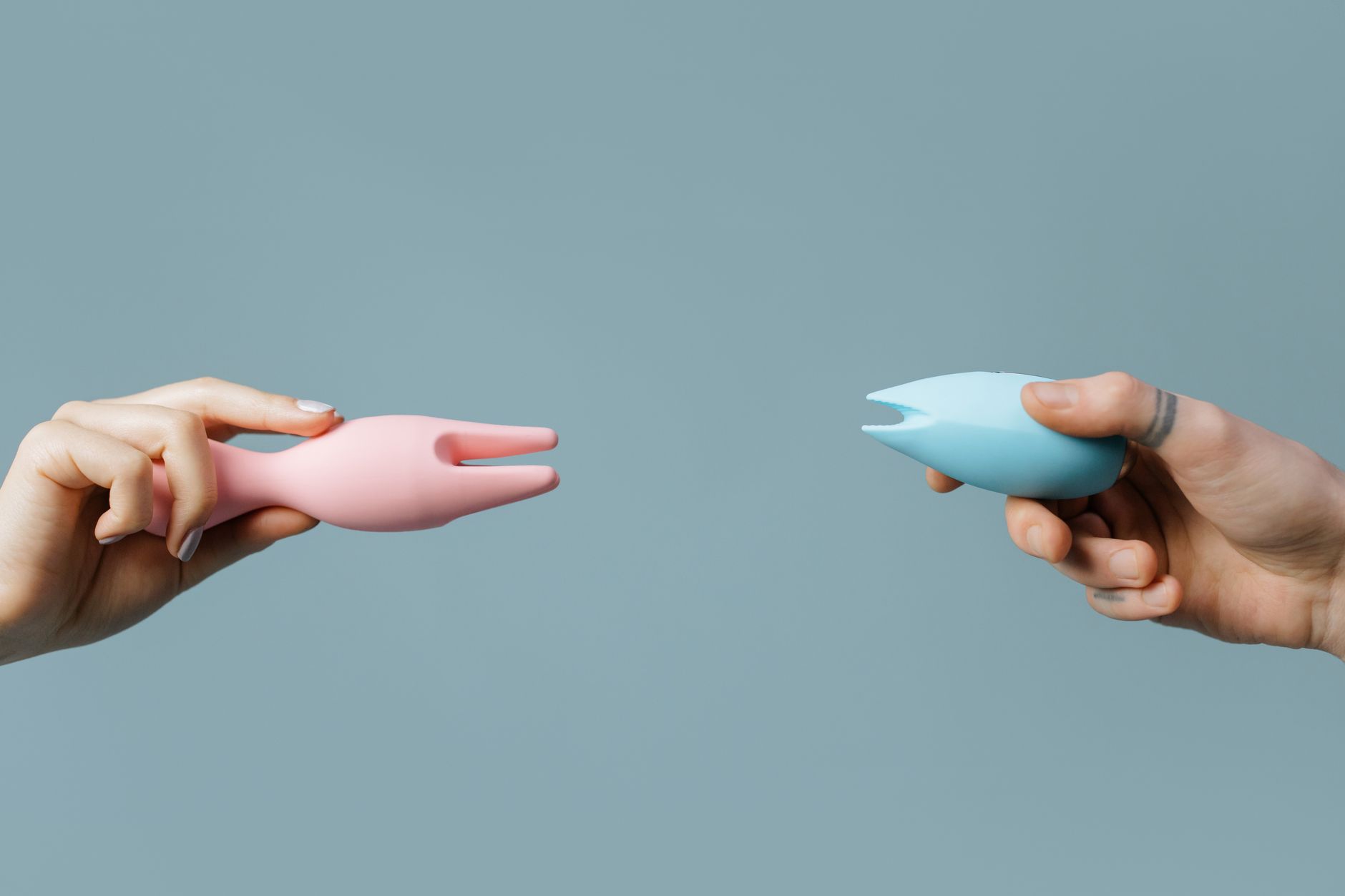
How to Use a Lemon Vibrator When Orgasms Stopped After Antidepressants
Let's be real: antidepressants work. They lift depression, quiet the spiral, make getting out of bed possible. And for a huge number of people, they also make orgasms nearly impossible. That's not a small side effect. That's your body telling you something got turned off.
Here's the thing nobody warns you about when you start SSRIs or SNRIs: sexual dysfunction isn't failure. It's a known, measurable, and often fixable side effect. The question isn't whether it's happening. The question is what you do about it.
Why antidepressants flatten orgasm in the first place
SSRIs work by increasing serotonin availability in your brain. That's great for mood. But serotonin also regulates dopamine and norepinephrine, both of which are essential for arousal, sensation, and climax. When antidepressants boost serotonin, they sometimes suppress the neurotransmitters that fire during sex.
It's not psychological. You're not losing desire because you're not trying hard enough. Your nervous system is literally getting less of the chemicals it needs to build and release tension.
The other part of the equation is physical. Antidepressants can reduce genital blood flow. Without enough engorgement of the clitoris, tissues stay less responsive to touch. Add that to dampened neural signaling, and climax becomes a moving target.
About 40 to 60 percent of people on SSRIs experience some form of sexual dysfunction. That's not rare. That's common enough that it should have been part of your informed consent conversation.
What doesn't change when you're on antidepressants
Your capacity for pleasure is still there.
Your clitoris still has thousands of nerve endings. Your brain can still feel sensation. Your body can still respond. What's changed is the threshold. The amount of stimulation required to cross that threshold is higher. The patience required is longer. The specificity needs to be sharper.
This is exactly where a lemon clitoral vibrator becomes useful. The suction technology doesn't work the way regular vibrators do. Instead of relying on texture or friction alone, lemon vibrators create a rhythmic pressure and release that mimics the exact kind of stimulation many people need when standard touch stops working.
The neuroscience of suction technology and antidepressant bodies
When you're on an SSRI, your body needs more stimulation intensity to reach the same arousal point. Regular vibrators provide surface-level vibration. That's helpful, but for people with dampened sensation, it's often not enough.
Lemon clitoral vibrators use air-pulse technology. This creates a gentle sucking sensation that engages deeper nerve pathways. Instead of asking the tissue to respond to vibration, you're creating pressure changes that activate a different part of the pleasure circuitry.
The research on this is still emerging, but clinically, people report that suction devices help restore sensation when standard vibrators feel pointless. That's not placebo. That's a different mechanism hitting neural pathways that antidepressants haven't shut down as thoroughly.
How to actually use a lemon vibrator when antidepressants have dulled sensation
Start lower than you think you need to. Most people on antidepressants assume they need maximum intensity immediately. They don't. The lemon vibrator works best when you build from pattern one.
Use it for longer than you'd normally spend on foreplay. Give yourself 20 to 30 minutes minimum. Your nervous system needs time to warm up. That's not a flaw in your body. That's just the new timeline. Some of my clients find that extended warm-up actually leads to better orgasms than they had pre-medication.
Lubricant helps. Water-based lube reduces any friction resistance and lets the suction sensation work more effectively. It's not about being broken. It's about creating the conditions where your nervous system can do its job.
Be specific about where you place the device. The sweet spot for most people is slightly off-center, covering the clitoral glans and upper hood. Spend a few minutes finding it. Small movements matter.
Expect the orgasm to feel different. Not worse, just different. Some people describe it as softer, more rolling, less explosive. Some say it's more localized than full-body. That's the medication talking, not your capacity. As you adjust, that feeling often shifts.
When to talk to your doctor about dose or medication changes
Not every side effect requires a medication switch. Some do. If sexual dysfunction is severely impacting your quality of life, your psychiatrist should know. There are a few legitimate options.
You can ask about timing the dose differently. Some people take their SSRI in the evening instead of the morning, giving themselves a window where serotonin levels dip slightly. You can ask about dose reduction. Sometimes 50 or 75 percent of your current dose maintains mood benefits with fewer sexual side effects.
You can also ask about adding a second medication that counteracts sexual side effects. Bupropion is sometimes added for exactly this reason. It boosts dopamine, which can restore arousal and orgasm capacity.
Switching medications is also fair game. Not all antidepressants cause the same degree of sexual dysfunction. Bupropion and mirtazapine are generally gentler on sexual function than SSRIs. The conversation is worth having.
But here's what I tell people: using tools like a lemon vibrator while you figure out medication logistics is not giving up. It's not compensation. It's using what works while you decide what comes next.
The emotional layer that nobody talks about
Losing orgasms feels like losing part of yourself. It's grief. It's frustration. It's often shame that you feel broken despite the medication working for your mental health.
That emotional weight is real and worth addressing, separate from the physical fix. If you have a partner, letting them know that this is medication-related, not desire-related, helps. If you're solo, giving yourself permission to explore differently instead of expecting the same response helps more.
Some people benefit from a few sessions with a sex therapist or couples counselor who understands medication side effects. Not to fix you. You don't need fixing. But to help you grieve the change and figure out what pleasure looks like now.
When a lemon vibrator is the answer, and when it's not enough
A lemon clitoral vibrator helps most people who've lost orgasm capacity to antidepressants. The suction technology is specifically well-suited to this problem. But sometimes medication tweaking also needs to happen. Sometimes you need both the device and the conversation with your psychiatrist.
The point is: you don't have to choose between mental health medication and sexual pleasure. That's a false choice. You can have both. It might take some experimentation, some honest conversations with your doctor, and some patience with a different timeline. But it's possible.
Your pleasure matters. Your mental health matters. And they're not in competition.
People also ask
How long does it take for antidepressants to affect sexual function?
Sexual side effects from SSRIs can appear within days of starting, or gradually over a few weeks. For some people, the body adjusts and sensation returns. For others, it stays consistent. If you notice changes in arousal or orgasm ability within the first month of a new medication, that's a signal to track and mention at your next appointment.
Can you have an orgasm on antidepressants at all?
Yes, absolutely. Most people on SSRIs can still orgasm. What changes is ease, intensity, and the time required. Some people report that orgasms feel less intense but more extended. Others find they need more direct stimulation. Tools like lemon clitoral vibrators help bridge that gap by providing the specific type of stimulation antidepressants require.
Is it safe to use a vibrator while on antidepressants?
Completely safe. There's no interaction between vibrators and any class of antidepressant. Using a lemon vibrator is a harm-free way to explore what works for your body under medication. It's not a treatment for depression. It's a tool for pleasure.
Does lowering your antidepressant dose restore sexual function?
Often, yes, but it's complicated. Lower doses sometimes improve sexual function while maintaining mood benefits. But sometimes reducing the dose destabilizes mental health. That's why this conversation needs to happen with your psychiatrist, not on your own. Never adjust your dose without guidance.
Can you switch antidepressants if sexual side effects are too much?
Yes. Not all antidepressants cause the same degree of sexual dysfunction. If your current medication works for mood but kills orgasm, asking about bupropion or mirtazapine is reasonable. The switch requires some planning, but it's a legitimate option.
Will your body adjust to antidepressants and restore sexual function eventually?
Sometimes. Some people find that their bodies adapt over weeks or months and sensation returns. Others find that sexual dysfunction persists as long as they're on the medication. There's no guarantee. That's why having tools like a lemon vibrator and open conversations with your doctor matters. You're not waiting for your body to fix itself. You're actively exploring what helps in the meantime.