When sex becomes a checkbox
Let's be real. At some point in most long-term relationships, sex stops being something you want to do and starts being something you feel you should do. It's not infidelity. It's not a death knell. It's obligation masquerading as intimacy.
One partner feels rejected if sex doesn't happen. The other feels trapped if it does. Both people end up resentful. And the sex itself becomes mechanical, rushed, and utterly joyless for everyone involved.
Here's what I tell couples in my practice: obligation is the real libido killer, not stress or age or even mismatched desire. When pleasure becomes duty, your nervous system knows the difference. Your body tightens. Your mind checks out. And intimacy, which should be connective, becomes isolating.
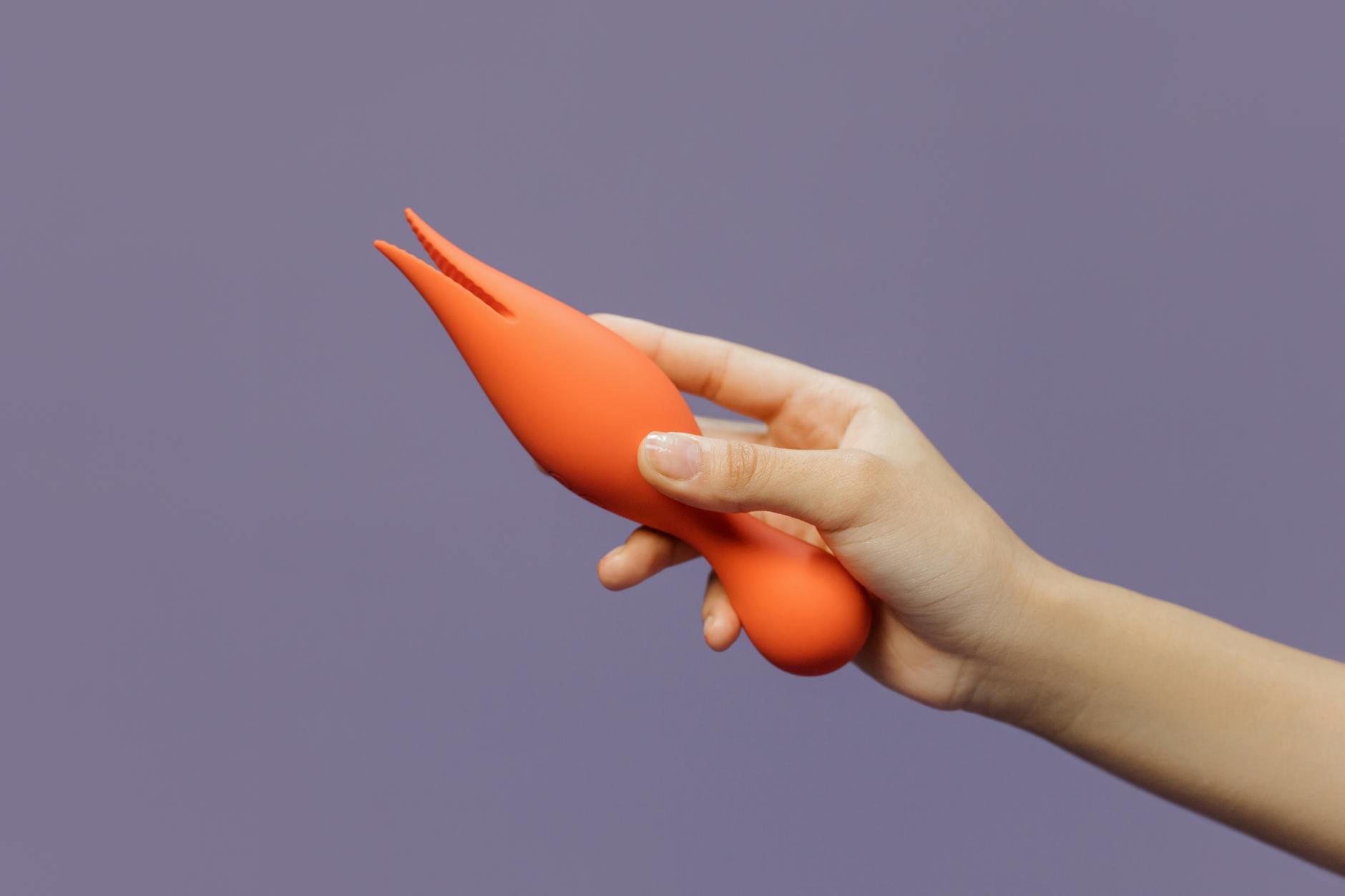
A lemon clitoral vibrator can interrupt that pattern. Not because toys fix relationships. They don't. But because they can shift the entire framing of what sex is supposed to feel like in the first place.
Why obligation sex kills connection
When one partner initiates regularly and the other consistently hesitates, a predictable dynamic emerges. The initiator feels hurt. The hesitant partner feels pressured. Sex becomes transactional: "I'll do this to keep the peace," or "I'm owed this because I've been patient."
Neither is arousal.
Obligatory sex also breaks something neurologically. Your brain starts associating bedtime with performance anxiety instead of pleasure. You anticipate discomfort rather than anticipate touch. Your pelvic floor tightens. Arousal takes longer to build, which reinforces the belief that "something is wrong with me."
So the cycle continues. Less pleasure leads to less initiation leads to more guilt leads to more obligation. Six months later, you're having less sex, worse sex, and you haven't had an honest conversation about any of it.
How introducing a toy resets the conversation
A lemon vibrator works as a conversation-starter because it's not about replacing a partner. It's visually neutral. It's purpose-built for pleasure. And it completely removes the pressure around performance.
Instead of "Does my partner want me?" the question becomes "What actually feels good right now?" That's a permission shift. Suddenly the person who's been dreading sex gets to choose what happens to their own body. And the partner who's been feeling rejected gets to watch their person experience genuine pleasure.
That's reconnection.
Introducing a lemon vibrator also takes the burden off one person to be the sole source of arousal. If your partner's clitoris responds to suction better than to touch alone, a device like the Lem isn't a commentary on your skills. It's data. It's "This is what my body needs right now." And that honesty creates actual intimacy, not the fake kind you perform when you're obligated.
The conversation before bringing it in
Don't surprise a toy during sex. That never goes well.
Instead, choose a non-sexual moment. Not in bed. Not after a frustrating sexual encounter. Pick neutral ground. Dinner. A walk. Somewhere your partner feels safe and you're not touching.
Here's a framework I use with couples:
1. Lead with your own truth, not blame. "I've noticed that sex has started to feel obligatory for me. I think we've both felt the pressure. I miss actual pleasure with you, and I want to fix that." Notice: not "You never want sex." Not "You're making me feel rejected." Just your experience.
2. Name what's actually changed. "I think we stopped exploring what feels good and started worrying about whether it's happening. I miss the version where we were both curious."
3. Float the idea gently. "I was thinking about trying something that might help reset things. It's a lemon clitoral vibrator. I know that might sound random, but I read about it and thought it could be fun to explore together. No pressure. But I wanted to ask if you're open to it."
4. Make it collaborative, not corrective. "If we tried it, I'd want us both to have a say in how. You'd be in control the whole time. I'm not trying to fix you or add something because you're not enough. I'm trying to remember what pleasure feels like for both of us."
When it lands, it sounds less like "You're broken" and more like "I want us both to feel good again." That's the difference between a tool and a weapon.
How to actually use it together when desire feels stalled
The first time you use a lemon vibrator with a partner in this dynamic, forget penetration. Forget performance. Forget the shape of "normal sex."
Start here instead:
Turn on the device during foreplay, not sex. Spend 20 minutes kissing, touching, and talking. No goal other than building genuine arousal. If your partner is the person whose desire has been flagging, let them hold the vibrator. Control is crucial. They decide when it touches, where, how long, what pattern.
Let pleasure be the point. If the person using the lemon vibrator orgasms? Great. If they just feel present and connected? Also great. If nothing happens and you laugh about it? Perfect. You've just reframed sex as exploratory instead of evaluative.
Check in constantly. "Does this feel good?" "Do you want more pressure?" "Are you enjoying this?" These questions aren't clinical. They're reconnective. You're saying "Your pleasure matters to me. I'm paying attention to you."
When you're both ready, add penetration. Some partners enjoy simultaneous penetration and clitoral suction. Some don't. The lemon vibrator gives you something to test without the pressure of it being the "whole" sexual experience.
The big shift: you're no longer performing sex. You're exploring pleasure together. That's the reset.
What changes when obligation lifts
In my work with couples, I see a pattern. When both partners agree that pleasure is the actual goal, not performance, several things happen quickly.
The hesitant partner starts initiating again. Not because they suddenly want sex more, but because sex stops feeling like a demand. It becomes optional, which paradoxically makes it appealing.
The initiating partner relaxes. They're not chasing acceptance anymore. They're experiencing genuine reciprocal desire. That's restorative.
Physically, the body responds. When you're not bracing for obligation, your pelvic floor relaxes. Arousal builds faster. Orgasms feel stronger. Sex starts to feel like connection again instead of conflict resolution.
And honestly? That matters more than any specific technique.
When to bring in a therapist
If you've had the conversation and your partner shuts down, that's different. If they feel attacked or inadequate by the suggestion, or if they refuse to engage with reconnection attempts, that's worth exploring with a couples therapist.
Obligation sex often masks bigger patterns. Maybe there's resentment outside the bedroom. Maybe there's a mismatch in how you each define intimacy. Maybe someone's struggling with depression or anxiety. A lemon vibrator can't fix those. But a therapist can help you understand what's underneath the obligation.
Similarly, if one partner has been consistently coerced into sex, introducing toys won't rebuild safety. That's a moment to pause and get real support.
But if you're both stuck in the obligation cycle and you're both willing to reset, a lemon clitoral vibrator can be the exact thing that gives you permission to remember what pleasure actually tastes like.
FAQ
Will introducing a vibrator make my partner feel like I'm not attracted to them?
Only if you frame it that way. The framing matters entirely. This isn't "You're not doing it right." It's "I want us both to feel amazing, and I learned that our bodies might like different kinds of stimulation. Let's explore together." If your partner trusts you, they'll hear the intent: you want to reconnect with them.
What if my partner has never used a toy before and feels weird about it?
That's normal. Start by letting them hold it, turn it on, feel how it works without it going anywhere near their body. Let them control it entirely. Curiosity usually wins over weirdness when there's zero pressure and total autonomy.
How do we pick a lemon vibrator if we're both new to this?
Start simple. The Lem is designed for beginners and has intuitive controls. Begin on the lowest pattern and let your partner tell you if they want more intensity. You can adjust from there. There's no "right" intensity. There's only what feels good to this person right now.
Will using a toy during sex make us need it every time?
No. Some couples use toys occasionally. Some use them regularly. Some use them as foreplay and don't during intercourse. You get to decide. The tool is there when you want it. That's it.
What if we use it and sex still feels obligatory?
Then the issue isn't the vibrator. It's something deeper. That's when talking to a couples therapist becomes valuable. There might be communication patterns, unresolved conflict, or mismatched expectations that a toy can't address. But you've at least created a moment of openness where you can explore that together.
How do we talk about what we learned from trying this?
After, during a calm moment, ask simple questions. "What felt different?" "What did you like?" "What would you want to change next time?" This isn't a performance review. It's curiosity. You're building a shared language around pleasure, which is exactly what obligation kills.
What reconnection actually looks like
Obligation sex is a symptom. Reconnection requires choice. When both partners decide that pleasure matters more than performance, and when you have tools like a lemon vibrator to explore that together, something shifts.
Your nervous system calms. Your body responds. Sex becomes connective instead of transactional. And for the first time in months, or maybe years, intimacy stops feeling like something you owe each other and starts feeling like something you actually want.
That's the reset. That's what happens when you stop performing and start exploring. And it all starts with one honest conversation and the willingness to try something new together.